Florida DUI Laws: A Comprehensive Guide to Statutes, Penalties, and the Criminal vs. Administrative Process

Florida DUI Laws: A Comprehensive Guide to Statutes, Penalties, and the Criminal vs. Administrative Process

By Pedro Matos, The AM Lawyer, P.A.

Florida's DUI laws are designed to deter impaired driving and ensure public safety. They encompass a variety of aspects, from legal definitions of driving under the influence to the various penalties associated with convictions. This comprehensive guide explores Florida DUI laws, detailing the statutes, potential consequences, and the differences between criminal and administrative processes. Many individuals may find themselves embroiled in legal complications after a DUI arrest, often feeling overwhelmed by the complexity and urgency of the situation. Understanding these laws can provide clarity and offer a path to managing the aftermath of such charges effectively. The following sections will cover legal definitions, penalties, the difference between criminal and administrative processes, defense strategies, and the importance of securing legal representation.

Legal Definitions

In Florida, driving under the influence (DUI) refers to operating a vehicle while impaired by alcohol or drugs. Legally, this impairment is often measured by blood alcohol content (BAC), which is typically set at a threshold of 0.08% for most adult drivers. However, BAC levels can vary based on age and the type of vehicle operated, with stricter regulations applied to commercial drivers and those under 21 years old. Additionally, Florida law considers what is termed "actual physical control," meaning that an individual can be charged with a DUI even if their vehicle is stationary, as long as they are in a position to operate it.

Penalties

The penalties for DUI convictions in Florida can be severe and are categorized based on whether it is a first, second, or third offense. Below is a breakdown of the potential fines and penalties for DUI offenses:

  • First DUI Offense: This offense generally carries penalties including fines ranging from $500 to $1,000, possible jail time up to six months, and a license suspension of six months.
  • Second DUI Offense: A second offense can result in higher fines, typically between $1,000 and $2,000, potential jail time up to nine months, and a license suspension from five to 12 months, depending on circumstances.
  • Third DUI Offense: A third offense leads to fines of $2,000 to $5,000, possible imprisonment ranging from 30 days to five years, and a license suspension that can last up to 10 years.

These penalties can increase significantly if aggravated circumstances exist, such as having a high BAC or causing personal injury or property damage while driving under the influence.

Offense TypePenalty TypePotential Consequences
First OffenseFines$500 - $1,000
Jail TimeUp to 6 months
License Suspension6 months
Second OffenseFines$1,000 - $2,000
Jail TimeUp to 9 months
License Suspension5 to 12 months
Third OffenseFines$2,000 - $5,000
Jail Time30 days to 5 years
License SuspensionUp to 10 years

Understanding these penalties is crucial, as they can have lasting impacts on both personal and professional aspects of life.

Criminal vs. Administrative Processes

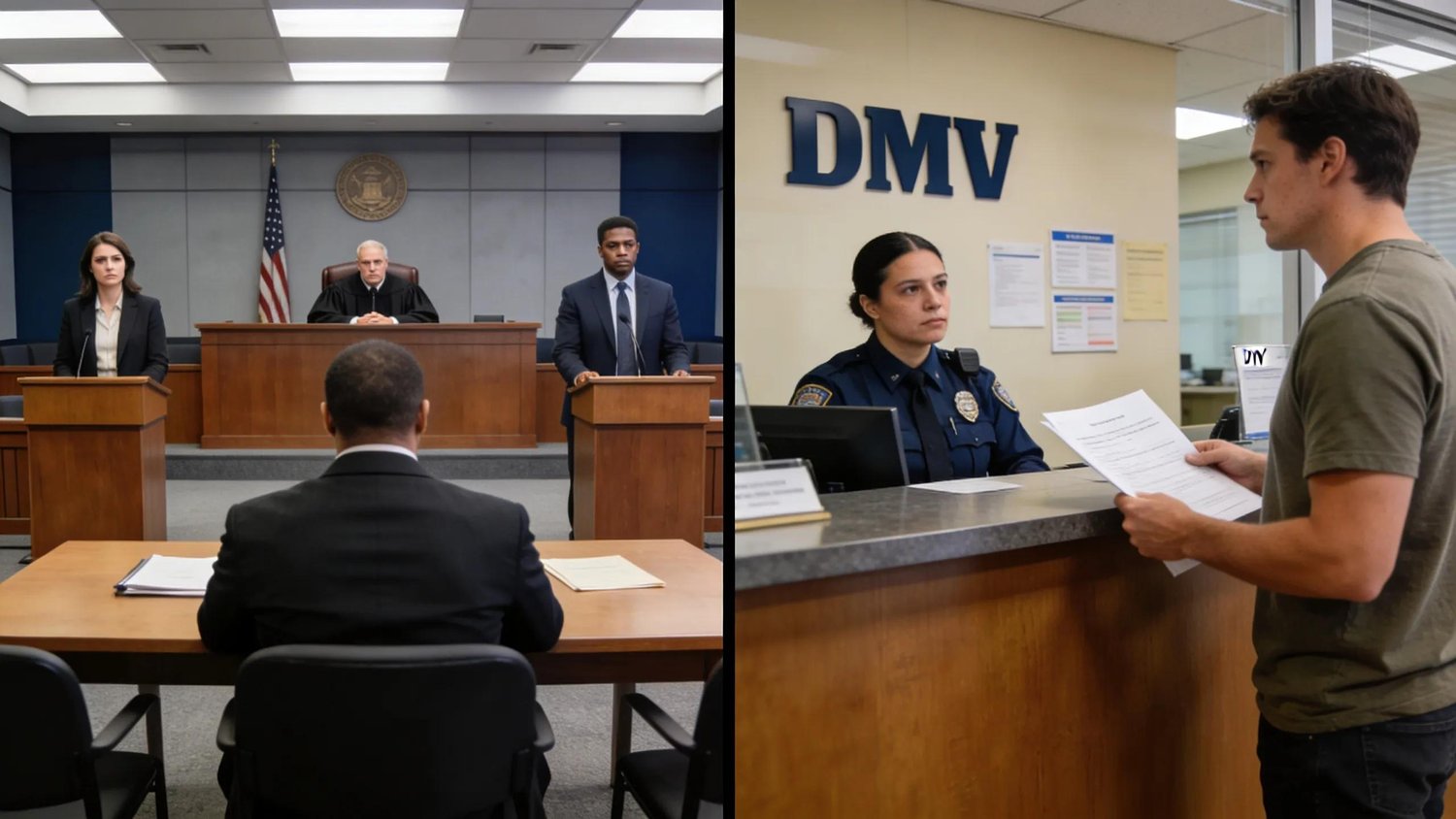
There are two primary proceedings to consider after a DUI arrest: the criminal process and the administrative process. The criminal process involves court proceedings that determine whether a person has committed a crime and what penalties apply.

The following highlights the key distinctions:

  1. Criminal Proceedings: Involves formal charges brought by the state, and if convicted, individuals may face jail time, fines, and probation.
  2. Administrative Proceedings: Managed by the Florida Department of Highway Safety and Motor Vehicles, focusing on driving privileges rather than criminal penalties, such as license suspension.

The 10-Day Rule

Following a DUI arrest, individuals have a critical window known as the "10-day rule," which mandates immediate action to protect driving privileges. Within ten days of arrest, a driver can appeal the suspension of their license by requesting a hearing. If they miss this deadline, they may face an automatic suspension, creating a gap in their ability to drive legally. The implications of missing this deadline can be significant, leading to further complications in regaining licensure and navigating legal proceedings. Proactive measures are essential, and understanding the 10-day rule can protect an individual's rights and mobility after a DUI charge.

For those facing any legal charges, understanding the complexities of the law is essential. Securing representation from experienced legal professionals can make a significant difference in navigating these challenging times. If you are in need of legal assistance, particularly concerning criminal defense, consider reaching out to skilled criminal defense attorneys.

Defense Strategies

Navigating a DUI charge requires a thorough understanding of possible defense strategies that can be utilized in court. Some common defense tactics include challenging the legality of the traffic stop, questioning the accuracy of breathalyzer tests, and raising issues about the behavior of law enforcement during arrest. It is crucial to recognize that the circumstances surrounding each DUI case can vary significantly, which is why effective legal representation is paramount.

For individuals seeking insight into their options, securing the counsel of experienced attorneys can greatly influence the outcome of a DUI case. Bilingual attorneys like Pedro Matos and Gilbert Arroyo at The AM Lawyer, P.A. understand the intricacies of DUI laws in Orlando and Central Florida, allowing them to offer tailored defense strategies and legal guidance. If you're facing charges that could impact your family, such as domestic violence, prompt legal consultation is advised. Consulting with a domestic violence attorney can provide crucial support and legal pathways.

In light of these complexities, reaching out for a free consultation might be a beneficial step for anyone facing DUI charges. Furthermore, if your situation has led to personal injury, seeking expert advice is crucial. An experienced personal injury attorney in Orlando can help navigate the aftermath and pursue rightful compensation.

Understanding Florida DUI laws is imperative for anyone facing the complexities of a DUI charge. From grasping the basic legal definitions to recognizing the penalties and processes involved, knowledge is the first line of defense. Navigating these charges can be daunting, but securing qualified legal representation, like that offered by The AM Lawyer, P.A., is essential. Individuals are encouraged to consider a free consultation to learn more about their legal rights and options available to them during this challenging time.