Florida Drug Crimes: Possession, Trafficking & Distribution

Florida Drug Crimes: Possession, Trafficking & Distribution

By Pedro Matos, The AM Lawyer, P.A.

Florida has some of the most stringent drug laws in the United States, targeting various offenses from possession to trafficking. This article seeks to illuminate the complexities surrounding Florida drug crimes, equipping readers with essential knowledge about these laws and potential legal implications. The goal is to demystify key aspects of drug crime legislation and illustrate the importance of having knowledgeable legal representation. With an overview of the pertinent laws, types of offenses, and potential penalties, readers will better understand their rights and the legal landscape. A significant focus will also be placed on defense strategies and the evolving nature of drug laws in Florida.

Hero/Intro Establishing Authority on Florida Drug Statutes

The legal landscape regarding drug crimes in Florida is intricate and often intimidating. Specifically, understanding how laws function is crucial for individuals facing charges related to drug possession, trafficking, or distribution. Engaging an experienced legal team can significantly affect the outcomes of such cases. Knowledge about your rights and the available defenses plays an important role in navigating the complexities posed by these laws.

Florida Drug Statutes Overview

Florida's drug statutes create a framework governing the legality of drug possession, trafficking, and distribution. These laws, established under the Florida Statutes, categorize offenses based on various factors, including the type of substance involved and the amount in question. The legal implications of drug crimes can be severe, underscoring the need for a comprehension of the classifications and statutes governing these acts. For comprehensive legal assistance, consider exploring Florida legal services.

Types of Drug Crimes

Drug offenses in Florida are primarily categorized into three main types: possession, trafficking, and distribution.

  1. Drug Possession: The simplest form of drug-related crime, typically dealing with controlled substances that an individual is found to possess.
  2. Drug Trafficking: Involves the illegal sale, distribution, or transportation of a controlled substance in large quantities, often resulting in harsher penalties.
  3. Drug Distribution: Refers to the transfer of drugs from one party to another, which can occur without the intent to sell but may still incur legal repercussions.

Key Laws and Schedules

Florida's drug laws rely heavily on controlled substance schedules, which classify drugs into various categories based on their potential for abuse and medical use.

  • Schedule I Drugs: Substances like heroin and LSD, which are deemed to have a high potential for abuse and no accepted medical use.
  • Schedule II Drugs: Include substances with a high potential for abuse but have accepted medical applications, such as oxycodone and cocaine.
  • Schedule III and IV Drugs: These contain compounds considered to have lower abuse potential and are used for medical purposes.

Understanding these classifications helps individuals navigate the legal repercussions of their actions.

Penalties for Possession and Trafficking

The penalties for drug-related offenses in Florida can vary significantly based on several factors, including the type and amount of drug involved, prior convictions, and whether the offense occurred near a school or other restricted areas.

  • Possession: Generally considered a misdemeanor for small quantities but can escalate to a felony for larger amounts or certain drugs.
  • Trafficking: Can result in severe penalties, including mandatory minimum prison sentences and hefty fines, especially for significant quantities of controlled substances.

In-depth knowledge of these penalties highlights the importance of securing professional legal representation when facing drug charges. The complexities of these cases often require specialized knowledge, such as that provided by a personal injury attorney for related matters, though criminal defense is distinct.

Burden of Proof

In drug cases, the burden of proof rests with the prosecution, which must demonstrate guilt "beyond a reasonable doubt." This standard is crucial for ensuring that only those who are definitely guilty are convicted. Understanding how this burden influences trial outcomes can empower defendants to pursue more robust defense strategies.

Defense Strategies

There are various strategies that individuals accused of drug crimes can pursue. Some common defenses include:

  • Challenging Evidence: Disputing the legality of the evidence obtained during an arrest, especially if law enforcement violated Fourth Amendment rights.
  • Illegal Searches: If evidence was obtained without a warrant or probable cause, it may be deemed inadmissible in court.
  • Entrapment: This occurs when law enforcement induces a person to commit a crime they would not have otherwise committed.
  • Lack of Knowledge: Demonstrating that the accused was not aware of the presence of drugs can be a viable defense in possession cases.

These strategies can help mitigate penalties or potentially dismiss charges altogether.

Recent Legislative Changes

Florida's drug laws have seen significant changes in recent years, reflecting shifts in societal attitudes and public health concerns. Changes have included reforms aimed at reducing penalties for certain non-violent drug offenses and expanding access to treatment programs, which highlight the evolving approach to drug-related issues in Florida.

Florida Statute 893.13

Florida Statute 893.13 details the illegal activities associated with controlled substances. The statute outlines various offenses, including trafficking and possession, defining legal boundaries that individuals must navigate. The implications of these violations can lead to serious legal consequences, making it critical for defendants to thoroughly understand the statute and its ramifications.

Controlled Substance Schedules

The Controlled Substance Schedules are an essential aspect of Florida drug laws, helping categorize drugs based on their potential for abuse. Understanding these schedules can inform individuals about the nature of the charges they may face, allowing for more informed legal decisions.

Drug Possession in Florida

Understanding the specifics of drug possession laws in Florida is essential for anyone facing charges. The consequences of possession can range from fines to imprisonment, depending on the drug type and quantity involved.

Legal Definitions

Florida law provides clear definitions concerning what constitutes drug possession. Possession can be classified as either actual, where the individual has physical control of the substance, or constructive, where the individual has access and control over the drug but does not physically hold it.

Types of Drug Crimes

As previously mentioned, drug possession can manifest in different ways, influencing how the law approaches each situation. Recognizing these distinctions is crucial for anyone embroiled in drug-related legal issues.

Potential Conviction Penalties

Conviction penalties can vary widely based on numerous factors, including prior offenses and the drug's classification. Understanding potential outcomes can provide clarity to those being charged, aiding in the preparation of a legal defense.

Burden of Proof for Prosecutors

Prosecutors must meet the burden of proof to secure a conviction, which often requires demonstrating the defendant's culpability through compelling evidence. This principle emphasizes the importance of robust defense strategies that challenge the prosecution's case.

Common Defenses

As earlier discussed, various defenses can be mounted against drug possession charges, making it important for defendants to work closely with experienced legal counsel to explore all available options.

Actual vs. Constructive Possession

Differentiating between actual and constructive possession can dramatically influence the outcomes of drug possession cases in Florida. Actual possession involves direct control over the substance, while constructive possession involves the ability to control the substance even if it is not directly within one's immediate reach. Understanding these distinctions is paramount for those facing drug charges.

Simple Possession vs. Possession with Intent

In many cases, the difference between simple possession and possession with intent to distribute can be critical.

  • Simple Possession: Generally involves drug quantities meant for personal use, typically resulting in lesser penalties.
  • Possession with Intent: Refers to larger quantities that suggest a plan to distribute or sell, leading to much harsher penalties and legal consequences.

Understanding these differences is essential for effectively navigating drug-related legal challenges.

Drug Trafficking & Distribution

Drug trafficking and distribution involve serious criminal charges that can lead to significant prison time. Knowing the laws around these crimes is crucial for anyone involved in the drug trade in Florida.

Legal Definitions

The law defines drug trafficking and distribution based on the amount of drugs being transported or sold, which can dictate the severity of penalties faced by those involved.

Differences Between Trafficking and Distribution

While both offenses involve the illegal selling of drugs, trafficking generally refers to larger amounts and more organized operations, while distribution may involve smaller sales. This distinction greatly impacts the potential legal repercussions.

Common Offenses

Common offenses associated with trafficking and distribution often involve large quantities of controlled substances, including cocaine, heroin, and prescription drugs. Understanding the nuances of these charges can guide individuals in preparing their legal strategies.

Potential Conviction Penalties

The penalties for trafficking can be severe, often resulting in lengthy prison sentences and substantial fines. It is crucial for individuals facing such charges to work with experienced legal counsel to address their cases appropriately.

Burden of Proof for Prosecutors

As with other drug charges, the burden of proof rests with the prosecution to establish guilt beyond a reasonable doubt, necessitating skilled defense strategies that challenge the robustness of the evidence presented.

Defense Strategies

Defendants can pursue various defense strategies against trafficking and distribution charges. Approaches may include challenging the legality of the search and seizure or questioning the integrity of the evidence collected.

Threshold Quantities

Florida law prescribes specific threshold quantities that dictate the severity of trafficking charges. Understanding these thresholds is vital for those accused, as they directly impact legal definitions and potential penalties.

Mandatory Minimum Sentences Under Florida Law

Florida enforces mandatory minimum sentences for drug trafficking offenses, often resulting in significant prison time without the possibility of parole. Knowledge of these sentencing structures can guide defendants in their decisions moving forward.

Fourth Amendment Protections

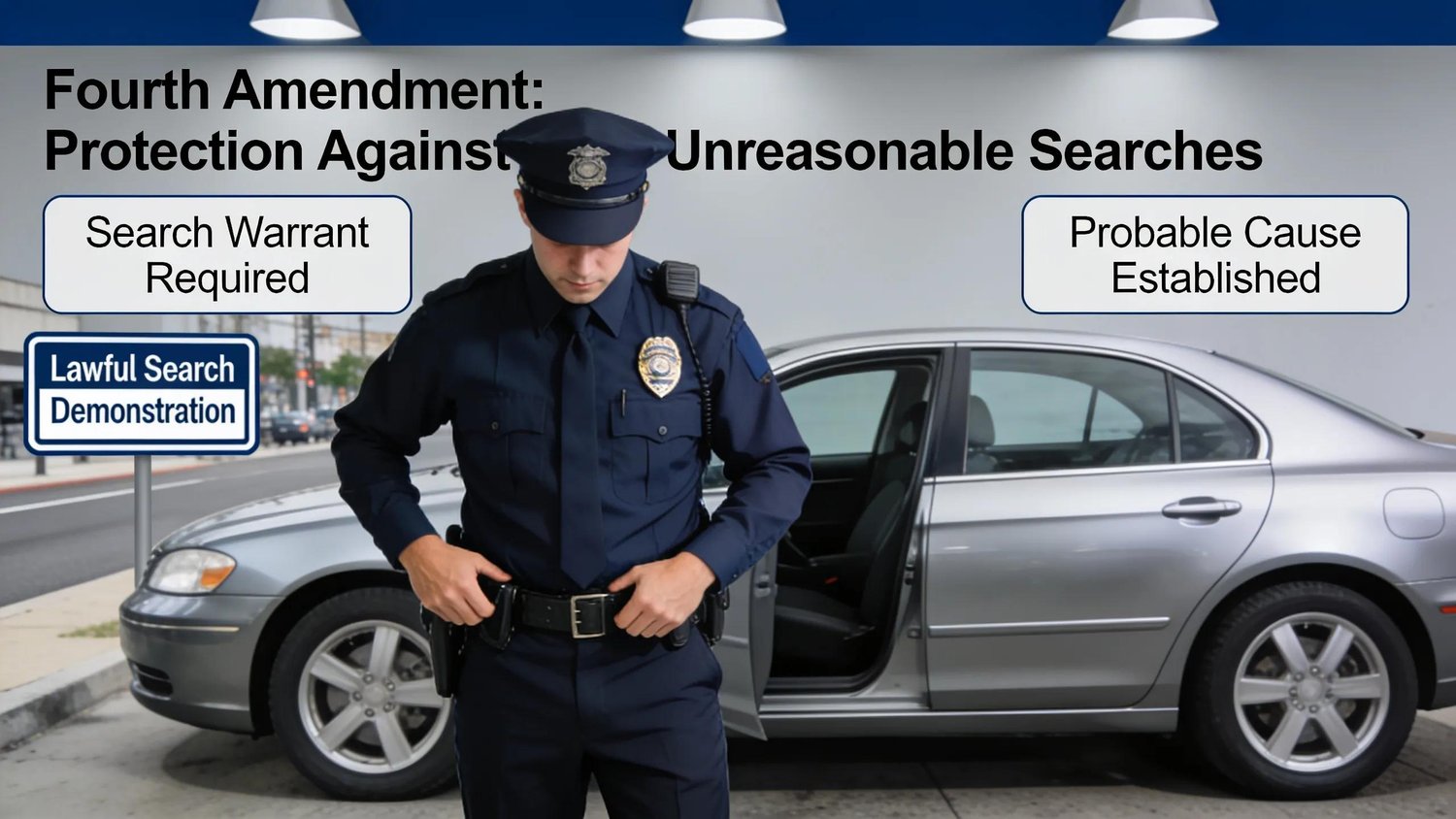
The Fourth Amendment plays a crucial role in drug-related legal proceedings, protecting individuals from unreasonable searches and seizures. Understanding these protections is essential for any accused individual. If you are facing charges, consulting with an attorney from The AM Lawyer P.A. can provide vital guidance.

Search and Seizure

The legality of search and seizure practices can drastically influence the outcome of drug-related charges. Courts often assess whether law enforcement followed proper procedures during arrests.

Warrant Requirements

In many cases, law enforcement must obtain a warrant based on probable cause to conduct a search. Familiarity with these requirements can play a crucial role in defending against drug charges.

Probable Cause

Understanding what constitutes probable cause is essential for individuals facing drug charges, as it directly impacts the legality of evidence used in court.

Drug Crime Penalties & Sentencing

Penalties for drug offenses are heavily dependent on the type of substance involved, the amount in possession, and prior criminal history. Knowledge about sentencing can be invaluable for effective legal representation.

Possession

For first-time offenders caught with small amounts of drugs for personal use, penalties often range from fines to probation. However, repeated offenses can result in escalated consequences.

Trafficking

Trafficking charges carry much harsher penalties, often involving lengthy mandatory minimum sentences and hefty fines. These serious consequences necessitate informed legal strategies.

Distribution

Distribution offenses can result in a wide range of penalties based on the specifics of the case and the amount of drugs involved. Understanding the potential consequences is key for anyone facing such charges.

Factors Influencing Penalties

Multiple factors can influence penalties, including the defendant's criminal history, the type of drugs involved, and the context of the offense. This complexity underlines the importance of skilled legal guidance.

Potential Consequences

The potential consequences of drug charges extend beyond incarceration and may include the long-term impact on an individual’s personal and professional life. Recognizing these ramifications can guide better decision-making.

Defense Strategies

Employing effective defense strategies can significantly alter the trajectory of a drug case. Knowledge of potential defenses is crucial for individuals facing drug-related charges.

Common Defense Strategies

There are numerous defense strategies available for those charged with drug offenses in Florida. Understanding these can lead to more informed legal decisions.

Challenging Evidence

Challenging the evidence collected during an arrest can be a strong defense tactic, particularly if law enforcement failed to follow legal protocols.

Illegal Searches

Individuals may argue that evidence obtained from illegal searches cannot be used against them, potentially leading to case dismissal.

Entrapment

Proving entrapment can be a viable defense for individuals who were induced into committing an offense they would not have otherwise considered.

Lack of Knowledge

Demonstrating that the defendant was unaware of the presence of drugs can challenge possession charges effectively.

The AM Lawyer's Approach to Drug Crime Defense

The AM Lawyer P.A. is committed to providing exceptional legal representation for individuals facing drug-related charges in Florida. With their knowledgeable attorneys, clients can receive informed guidance suited to their unique circumstances.

Bilingual Services

Understanding the legal system can be challenging, especially for non-English speakers. The AM Lawyer P.A. offers bilingual legal assistance, ensuring all clients have access to quality representation and comprehensive legal understanding.

Free Consultation

For those unsure of their legal options, The AM Lawyer P.A. provides a free consultation service. This opportunity allows individuals to discuss their case with experienced attorneys without any commitment.