Understanding Domestic Violence Laws in Florida
Domestic violence laws in Florida are designed to protect individuals from harm within intimate relationships. These laws define a broad spectrum of abusive behaviors, extending beyond physical altercations to include emotional and psychological abuse, harassment, and coercive control. Understanding these legal definitions is crucial for both victims seeking protection and individuals accused of such acts, as it forms the basis for legal proceedings and available remedies.
In Florida, specific statutes outline what constitutes domestic violence, encompassing offenses like assault, aggravated assault, battery, aggravated battery, stalking, and harassment. The legal framework provides mechanisms for victims to seek immediate safety through measures such as restraining orders and protective injunctions, while also ensuring that due process is followed for those facing accusations.
Navigating the Legal Process for Domestic Violence Cases
The legal process for domestic violence cases in Florida typically begins with a report to law enforcement, leading to an investigation. If sufficient evidence is gathered, an arrest may occur. Following an arrest, the accused will have a court appearance to determine bail and schedule further hearings. This process can be complex and emotionally taxing, highlighting the need for experienced legal guidance.
The decision to press charges rests with the state prosecutor, who reviews the evidence presented. It's important to note that even if a victim wishes to drop charges, the prosecutor retains the discretion to proceed if they deem it in the public interest. Both victims and the accused have specific rights throughout this process, including the right to seek protection or legal representation.
Protective Orders and Injunctions in Domestic Violence Cases
Protective orders, also known as injunctions for protection against domestic violence, are legal tools designed to safeguard victims from further harm. These orders can prohibit an abuser from contacting the victim, coming within a certain distance of their home, work, or children's school, and can also grant temporary custody of children and exclusive use of a shared residence.
Obtaining a protective order involves filing a petition with the court, which then schedules a hearing. Evidence of abuse or threats is presented to the judge. If granted, the order provides a legal framework for safety, and violations can lead to criminal charges. For those facing accusations, understanding the implications of these orders and how to challenge them is vital.
The Role of Bilingual Attorneys in Domestic Violence Cases
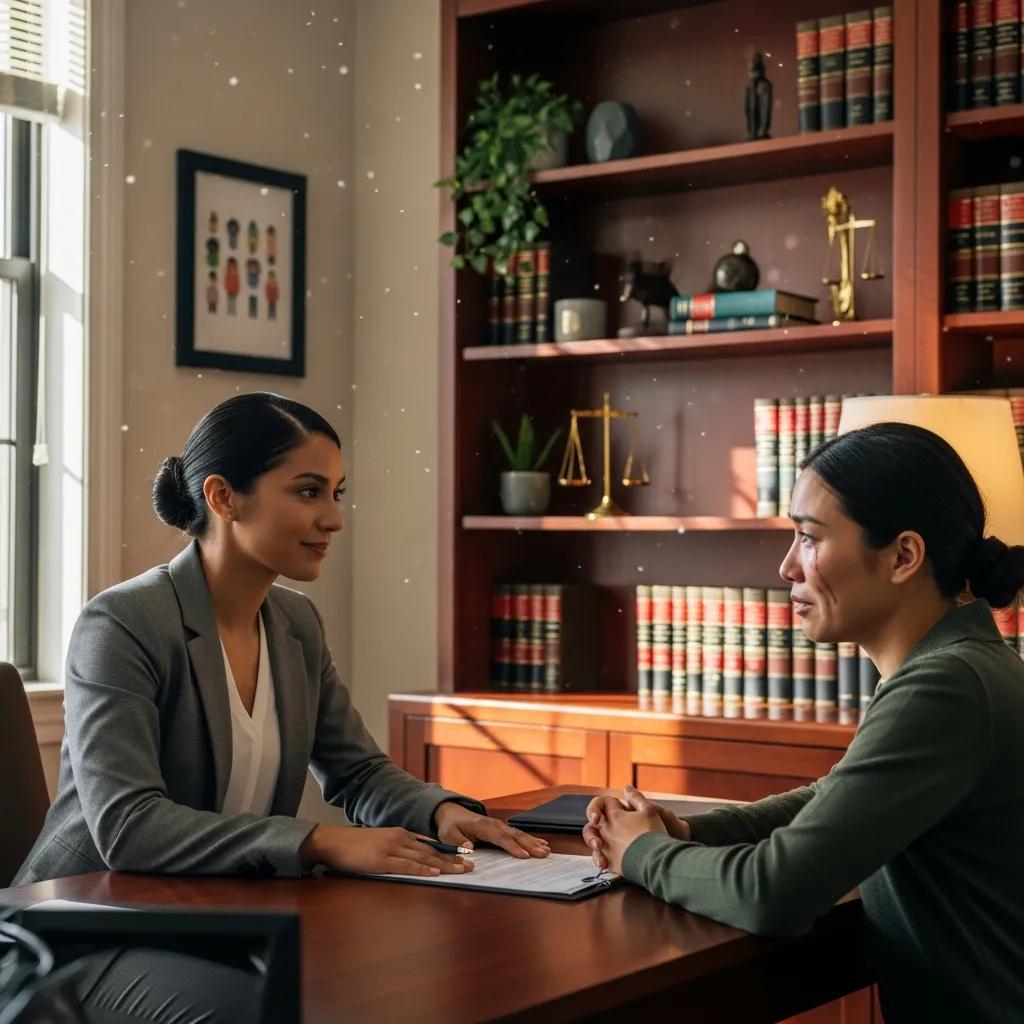
In a diverse community like Orlando, the availability of bilingual attorneys is indispensable for individuals navigating the complexities of domestic violence cases. Language barriers can significantly impede a victim's ability to seek help or an accused individual's capacity to understand their rights and defense. Attorneys fluent in Spanish, such as those at The AM Lawyer P.A., ensure clear communication and culturally sensitive legal representation.
Bilingual legal professionals not only facilitate direct communication but also foster trust and understanding, which are critical in sensitive domestic violence matters. This ensures that all parties, regardless of their primary language, have equitable access to justice and can effectively participate in legal proceedings without fear of misinterpretation or cultural insensitivity.