
Domestic Violence Charges & Protective Orders in Florida

Domestic Violence Charges & Protective Orders in Florida
By Pedro Matos, The AM Lawyer, P.A.
Domestic violence remains a pressing issue within Florida communities, with legal frameworks in place to protect victims and outline consequences for offenders. Understanding domestic violence charges and protective orders is crucial for anyone living in or near Orlando and Central Florida. This article aims to shed light on the complex legal definitions, the process for filing charges, different types of protective orders available, and the implications for both victims and defendants under Florida law. Whether you're a victim seeking protection or a defendant facing charges, this guide will clarify your rights and responsibilities within the legal system. We will also explore the potential penalties associated with domestic violence in Florida, the legal procedures involved, and provide insights on effective defense strategies.
Domestic Violence Charges and Protective Orders in Florida
Domestic violence in Florida is defined under the law as any assault, battery, stalking, or any other form of physical harm against a family or household member. Victims of domestic violence have protective measures available, including protective orders. These orders are legal protections that help ensure the safety of individuals who have experienced violence or threats of violence. The legal framework not only enforces consequences for aggressors but also establishes rights for victims to seek safety through the legal system. Understanding these charges and protections is essential for anyone involved in a domestic violence situation.
Legal Definitions:
The legal definition of domestic violence in Florida encompasses a range of offenses including physical, emotional, and psychological abuse. Often categorized under assault and battery, domestic violence laws recognize various forms of abuse against current or former spouses, dating partners, family members, or cohabitants. It's vital to understand that the law is designed to provide a broad scope of protection to victims, ensuring that all types of abusive relationships are adequately addressed. This broad definition allows the legal system to respond effectively to the nuances of domestic violence, thereby paving the way for appropriate protective measures.
Process for Filing Charges:
Filing domestic violence charges in Florida involves a structured legal process. Typically, it begins with a law enforcement investigation where the victim reports the incident. After gathering evidence, the State Attorney's Office reviews the case to determine if there are sufficient grounds for filing formal charges. Victims play a crucial role throughout this process, providing testimony that may influence the ultimate decisions made by prosecutors. Understanding the steps involved helps victims prepare adequately and ensures that their rights are respected during legal proceedings.
Types of Protective Orders:
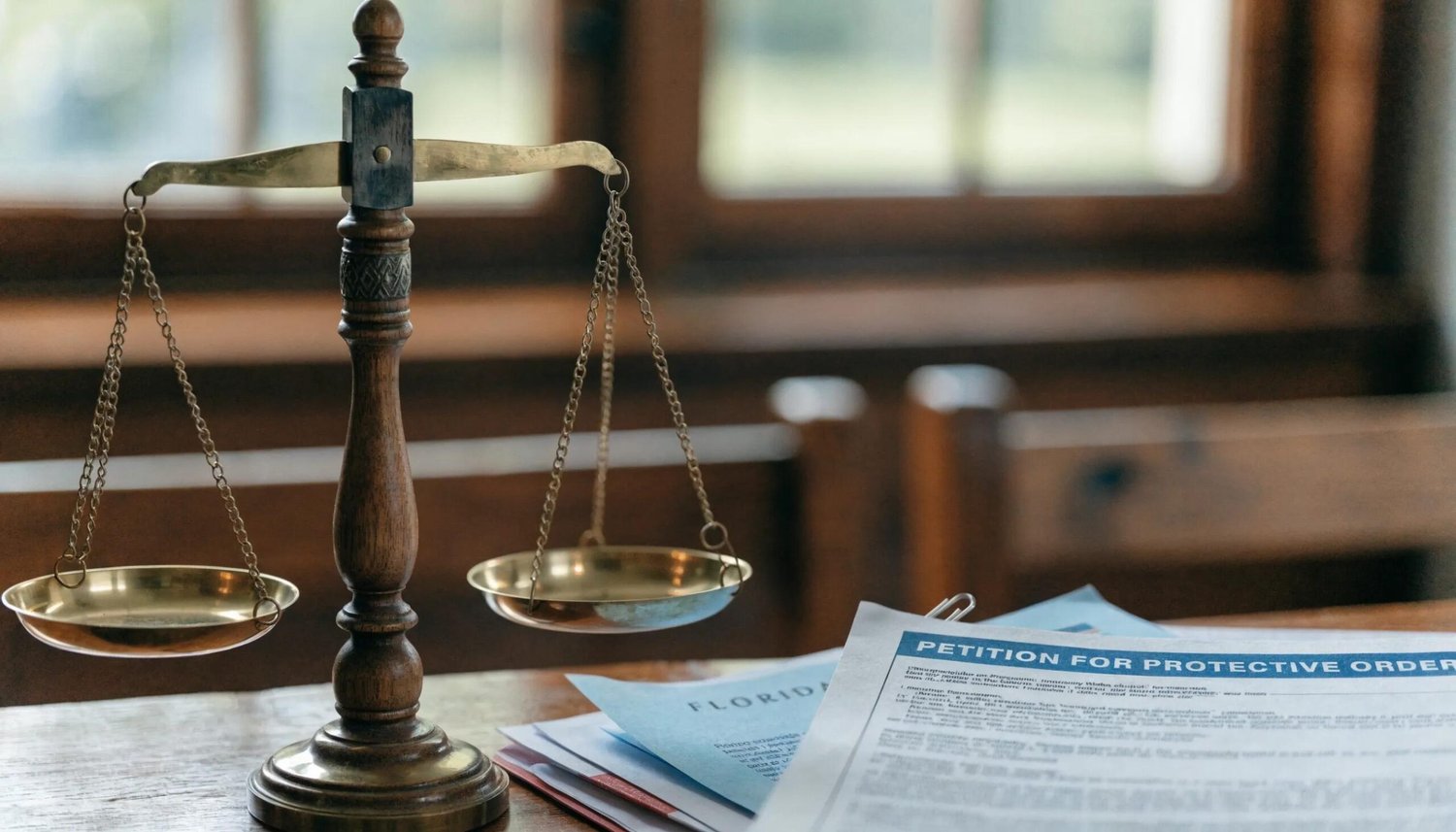
In Florida, there are several types of protective orders available to victims of domestic violence. These include:
- Domestic Violence Injunctions: Specifically aimed at those who have experienced violence or threats from a current or former spouse.
- Dating Violence Injunctions: Designed for individuals in a dating relationship who face threats or violence.
- Repeat Violence Injunctions: Available for individuals with a history of violence from someone they do not have a domestic or dating relationship with.
These orders can significantly impact the accused and provide essential safety measures for victims seeking protection from their abuser.
Implications for Victims:
Victims of domestic violence face numerous implications when engaging with the legal system. Obtaining a protective order can provide immediate safety and peace of mind. Victims may gain access to support services, legal counsel, and resources designed to assist those in challenging circumstances. Understanding one’s rights under these laws is crucial, as victims are often entitled to various protections during legal proceedings, ensuring that their voices are heard and that they receive the support they need to recover from trauma.
For individuals needing assistance, The AM Lawyer P.A. offers free consultations with bilingual attorneys Pedro Matos and Gilbert Arroyo, who are dedicated to helping victims navigate their legal rights and responsibilities.
Implications for Defendants:
For defendants accused of domestic violence, the consequences can be severe. Legal representation is essential, as a domestic violence conviction can lead to significant implications for one's personal and professional life. Depending on the gravity of the charges, defendants may face anything from misdemeanor to felony charges, impacting future employment opportunities and housing options. Understanding the legal process and potential defenses is crucial for anyone facing domestic violence accusations, as it directly influences the outcome of their case.
Florida Domestic Violence Statutes
Florida domestic violence statutes are designed to delineate the legal boundaries and define the repercussions of violating these laws. The statutes provide clear definitions and articulate the responsibilities of each party involved in a domestic violence case. This clarity ensures that victims can seek protection swiftly while defendants understand the potential ramifications of their actions. Awareness of legal rights and obligations can help both parties navigate the complexities often associated with domestic violence charges.
Penalties:
The penalties for domestic violence charges in Florida can vary significantly depending on the nature of the offense. Misdemeanor charges typically result in less severe consequences, such as fines, community service, or short-term imprisonment. In contrast, felony charges carry far more severe penalties, including longer prison sentences and extensive fines. For individuals with prior convictions, the repercussions can be even harsher. Understanding these penalties is critical for anyone involved in a domestic violence situation, as they highlight the importance of seeking legal representation to navigate these challenging circumstances.
Legal Procedures:
Legal procedures in domestic violence cases are established to ensure that both victims’ rights and defendants' rights are respected. This includes the right to a fair trial, the ability to present evidence, and the opportunity to seek legal counsel. The protection of victims during the trial process is paramount, and various assistance services may be provided to ensure their safety. Understanding these legal procedures helps clarify the expectations for both sides within a domestic violence case.
Key Considerations:
A few key considerations are important for anyone navigating the domestic violence legal landscape:
- Understanding legal definitions to ensure proper representation and protection.
- The importance of collecting accurate evidence to substantiate claims or defenses.
- The need for timely legal advice to prevent potential pitfalls during legal proceedings.
Potential Consequences of Domestic Violence Charges
Criminal penalties associated with domestic violence can have lasting impacts on an individual's record and personal life. Understanding the potential ramifications is crucial for both victims seeking justice and defendants planning their defense strategies. Domestic violence charges can result in a criminal record which has far-reaching consequences long after a case has concluded.
Types of Domestic Violence Charges
Domestic violence charges can include a variety of offenses, such as:
Assault:
Assault is defined as an intentional act that causes another person to fear imminent harm. In the context of domestic violence, assault charges can arise even without physical contact if the victim perceives a legitimate threat.
Battery:
Battery involves actual physical contact, with injuries often resulting from the act. In Florida, battery charges can escalate quickly based on the severity of the incident, making legal representation crucial for defendants.
Aggravated Assault:
Aggravated assault is a more serious charge that involves a weapon or intent to commit a more severe crime. Defending against aggravated assault charges requires a careful legal strategy due to the increased penalties involved.
Aggravated Battery:
Aggravated battery is similar to aggravated assault but involves causing serious bodily injury or using a weapon. These charges can lead to significant prison time and extensive legal ramifications.
Stalking:
Stalking charges arise from repeated unwanted actions intending to intimidate or control the victim. This can include monitoring the victim's movements, unwanted communication, or other forms of harassment that create fear.
Sexual Assault/Battery:
Sexual assault falls under serious crimes with harsh penalties when committed within domestic contexts. Understanding the legal definitions and potential defenses is vital for ensuring proper legal support.
Homicide:
In extreme cases, domestic violence can lead to homicide charges. The consequences of such severe charges often result in significant prison time, and legal representation is essential to navigate these complex cases.
Injunctions for Protection
Injunctions serve as critical tools for the protection of victims by legally prohibiting abusers from contacting or approaching them. Understanding the types of injunctions available can empower victims to seek justice and safety effectively.
Types of Injunctions
There are several types of injunctions available in Florida, including:
- Domestic violence injunctions for immediate threats.
- Dating violence injunctions for individuals in intimate relationships.
- Sexual violence injunctions aimed at victims of sexual assault.
Process for Obtaining an Injunction
Obtaining an injunction involves filing a petition with the court that details the reasons for seeking protection. Victims usually must attend a hearing where both parties can present their case. The court will then decide whether to grant the injunction based on presented evidence.
Legal Requirements
Certain legal requirements must be met when filing for an injunction, including demonstrating the likelihood of further harm. Ensuring that all documentation is correctly submitted can significantly impact the court's decision.
Enforcement of Injunctions
Enforcement of injunctions is crucial for ensuring victim safety. Law enforcement plays a vital role in enforcing these protective orders, and violations can result in criminal charges against the abuser.
Consequences of Violating an Injunction
Violating an injunction can lead to serious legal consequences, including arrest and potential criminal charges. Legal ramifications can result in fines, jail time, or additional restrictions on the abuser.
Modifying or Extending an Injunction
If circumstances change, the individual who sought the injunction may request modifications or extensions through the courts. This process requires proper documentation and justification for the changes requested.
Impact on Parental Rights

Charges related to domestic violence can significantly affect parental rights and custody decisions. Understanding these implications is critical for parents navigating these issues within the Florida legal framework.
Custody Implications
Domestic violence can severely impact custody arrangements, with courts prioritizing the safety of children. Legal representation becomes essential to negotiate custody issues effectively.
Visitation Restrictions
Visitation rights can be limited or altered based on a history of domestic violence, as courts evaluate what arrangements are in the best interest of the child. This may involve supervised visitation or restrictions on contact.
9th Judicial Circuit Procedures
Navigating the 9th Judicial Circuit requires an understanding of local court procedures. Each courthouse may have specific protocols that affect how cases are managed.
Orange County Court Processes
The Orange County court system implements specific case management practices aimed at expediting domestic violence cases while prioritizing victim safety through various assistance programs.
Osceola County Court Processes
The Osceola County courts may feature tailored policies that address the unique needs of the community, focusing on enhancing access to justice for domestic violence victims.
Defense Strategies for Domestic Violence Charges
Developing effective defense strategies in domestic violence cases is crucial for mounting a successful defense against allegations.
Legal Defenses
Defendants may assert various legal defenses, including self-defense, lack of intent, or challenging the credibility of the victim's claims. Each case will require careful evaluation of evidence to identify the best defensive approach.
Evidence Considerations
Evidence plays a pivotal role in domestic violence cases. Gathering comprehensive evidence, including witness statements and documentation, can significantly bolster a defense strategy.
Mitigating Circumstances
Mitigating circumstances may help diminish the severity of the charges or penalty faced by the defendant. This could include proving emotional distress or lack of prior criminal history.
Additional Considerations
An attorney experienced in domestic violence cases can provide invaluable guidance, helping defendants navigate the legal complexities and advocating effectively on their behalf.
The AM Lawyer's Domestic Violence Defense Services
The AM Lawyer P.A. offers dedicated legal services for individuals facing domestic violence charges. With a focus on defense, our firm provides essential support tailored to the unique needs of each client.
Bilingual Support
Our firm prides itself on offering bilingual support, ensuring that Spanish-speaking clients receive the best representation possible. Clear communication is critical for effectively navigating the legal system.
Free Consultation
Individuals facing domestic violence charges are encouraged to schedule a free consultation to discuss their case with our experienced attorneys. Understanding legal rights and options is the first step towards building a robust defense.