How Bilingual Legal Services Can Benefit Your Case in Central Florida: Expert Guidance from Bilingual Criminal Defense and Personal Injury Attorneys

By Pedro Matos, The AM Lawyer, P.A.

Bilingual legal services are essential in regions with large non‑English speaking populations, such as Central Florida. These services reduce miscommunication, protect client rights, and assist counsel in navigating complex legal procedures. This article explains how bilingual representation in criminal defence and personal injury matters can strengthen advocacy for Spanish‑speaking clients in Orlando.

Individuals facing legal matters without adequate language support often cannot fully comprehend proceedings or articulate key facts. Bilingual attorneys close that gap and apply cultural competence to establish trust and obtain accurate client statements. This discussion addresses the benefits of bilingual counsel, the legal rights of non‑English speakers, the advantages in personal injury representation, and factors to consider when selecting counsel, while noting the role of The AM Lawyer P.A. in providing bilingual legal assistance.

What Advantages Do Bilingual Criminal Defense Attorneys Offer in Orlando?

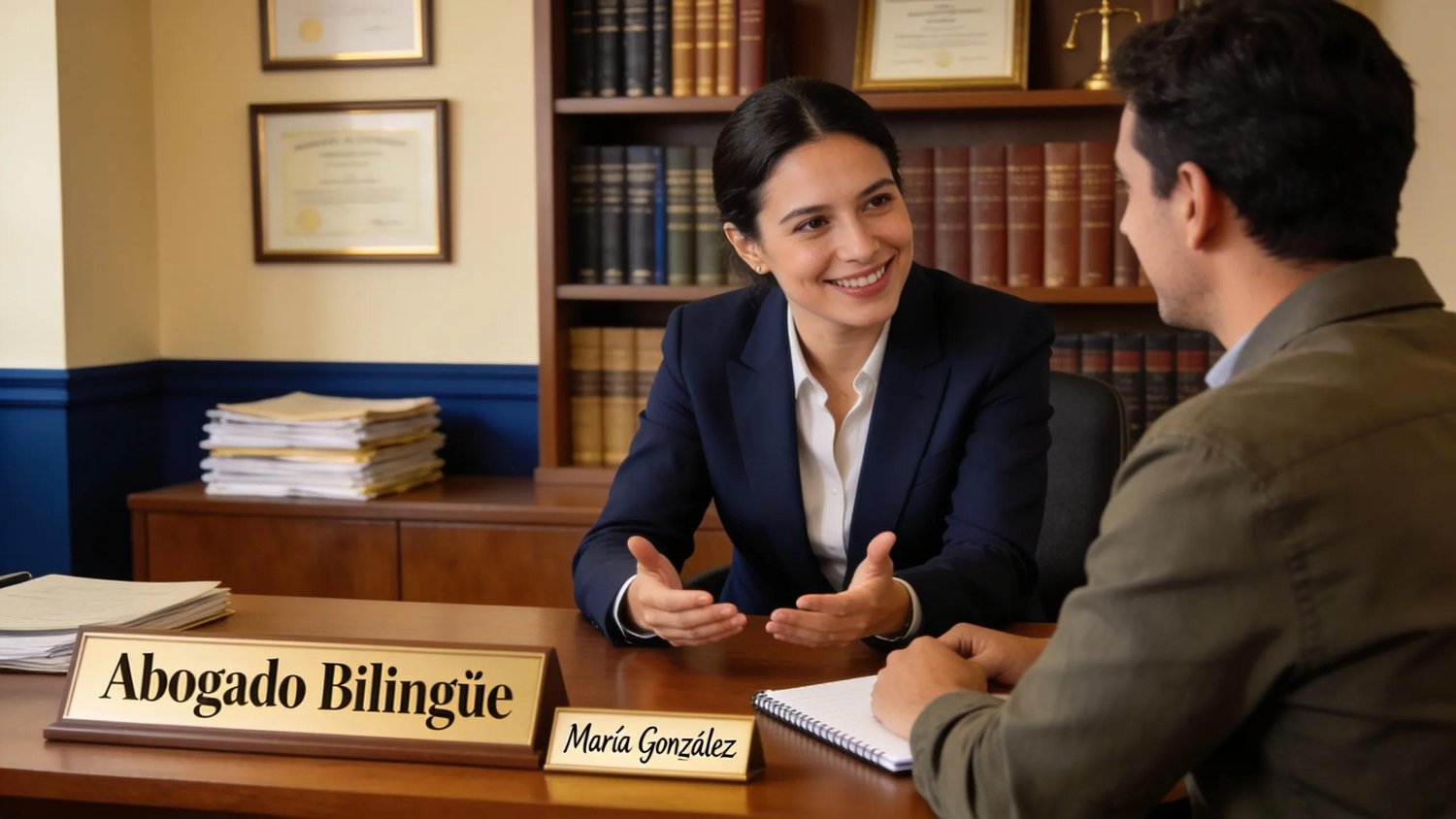
Bilingual criminal defence attorneys promote equitable representation by combining language proficiency with an understanding of cultural nuances that may affect case strategy. Clear, accurate communication reduces the risk of misunderstanding legal terms and court procedures, ensuring clients are properly informed and able to make reasoned decisions about their defence.

Beyond direct translation, bilingual counsel often anticipate cultural contexts that shape how clients describe events, perceive authority, or respond to questioning. This foresight can inform interview techniques, charging evaluations, and the framing of mitigating evidence at sentencing. Bilingual attorneys who understand local immigrant communities may also be better positioned to locate culturally appropriate witnesses or community‑based mitigation resources that can influence prosecutorial charging decisions and plea negotiations.

In practice, bilingual representation can streamline evidence collection. A client who can provide a clear, detailed chronology of events in their native language helps counsel identify inconsistencies, corroborate statements with independent records, and detect factual issues requiring investigation. That precision is valuable when preparing motions, contesting probable cause, or negotiating with prosecutors, because it reduces the time and expense associated with repeated clarifications and lowers the risk of errors caused by reliance on third‑party interpreters alone.

How Does Language Fluency Improve Criminal Defense Outcomes?

Language fluency improves criminal defence outcomes by enabling precise, unambiguous exchanges between attorney and client. Accurate client interviews aid fact‑gathering and case preparation. When clients can describe events in their native language, counsel can assess credibility, identify defences, and develop a coherent strategy that better protects the client’s legal interests.

Fluent communication also supports pretrial planning. For example, when preparing for witness interviews or hearings, counsel fluent in the client’s language can craft questions that avoid cultural assumptions and elicit the most relevant facts. This reduces the chance that vital information will be lost in translation during police interviews, court appearances, or settlement talks.

Moreover, language competency helps ensure that clients fully understand the tactical tradeoffs of different approaches—whether to proceed to trial, accept a plea, or pursue diversion programs. Clients who are meaningfully informed are better able to provide instructions, avoid later claims of ineffective assistance, and participate actively in decision‑making throughout the case.

Why Choose a Spanish-Speaking Criminal Lawyer in Central Florida?

Retaining a Spanish‑speaking criminal lawyer provides more than translation; it offers culturally informed counsel that can reduce client apprehension and improve cooperation. Cultural competence supports clearer client communication and stronger attorney‑client rapport, which are essential to effective advocacy. For dedicated assistance, consider contacting "criminal defense attorneys".

A Spanish‑speaking lawyer can also navigate informal community networks that often play a part in evidence collection and witness location. Trusted local counsel may secure statements from family members, co‑workers, or neighbours whose testimony is culturally contextualised and more candid when communicated in their preferred language. That access can materially affect charge resolutions, sentencing advocacy, and enforcement of immigration‑related protections where applicable.

What Legal Rights Do Non-English Speakers Have in Orlando’s Court System?

Non‑English speakers possess statutory and constitutional protections intended to secure meaningful access to justice. Awareness of these rights is necessary for navigating Central Florida’s court system and for ensuring equitable treatment during criminal and civil proceedings.

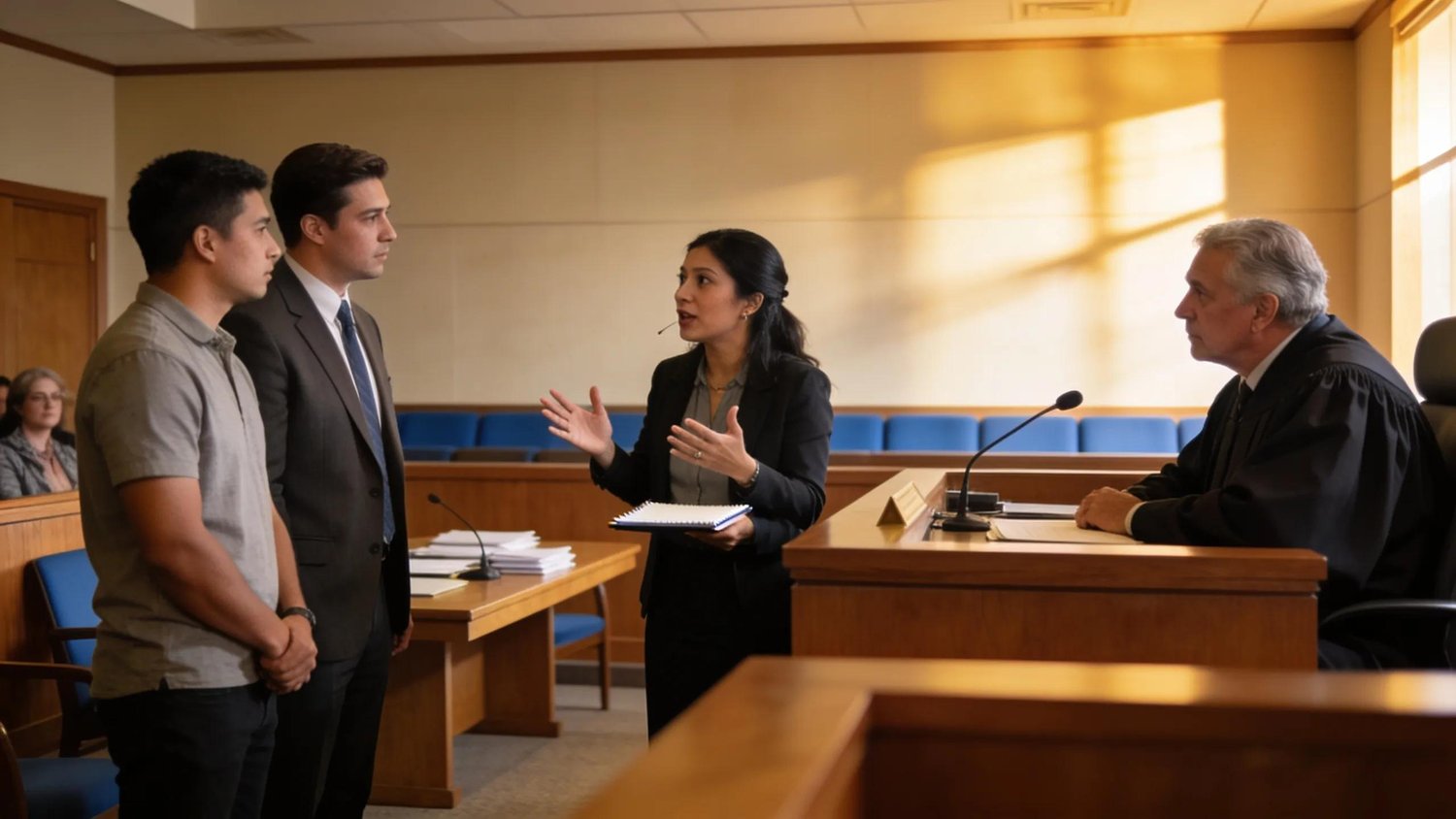
Key protections include the right to an interpreter for critical stages of criminal proceedings, access to translated written materials when available, and procedural safeguards intended to prevent convictions or civil determinations based on misunderstandings stemming from language barriers. Attorneys with bilingual skills can help clients exercise these rights by formally requesting interpreter services, challenging deficient interpretation, and ensuring accurate record keeping when necessary.

How Are Language Access Laws Applied in Central Florida Courts?

Language access requirements in Central Florida direct that court services be made accessible to individuals regardless of English proficiency. Courts provide interpreters to ensure defendants understand charges, proceedings, and their rights. These measures reduce the risk that language barriers will prejudice case outcomes.

In practice, obtaining court‑provided interpretation often requires counsel to make timely requests and to preserve objections when the quality of interpretation is poor. Attorneys familiar with the process can identify when a court interpreter lacks necessary legal terminology or when simultaneous interpretation compromises comprehension. In such cases, counsel may seek a certified interpreter, request additional breaks to confirm understanding, or ask that key testimony be translated for the record to prevent appellate issues later.

What Resources Are Available for Spanish-Speaking Defendants?

Spanish‑speaking defendants may access bilingual legal aid offices, community organisations that offer interpretation, and informational materials in Spanish concerning legal rights and procedures. Bilingual law firms, including The AM Lawyer P.A., also play a key role in connecting clients to appropriate services and support throughout the legal process.

Community resources can include victim‑advocate programs, public defender offices with bilingual staff, and non‑profit organisations that assist with court navigation and document preparation. Attorneys familiar with these resources can coordinate multidisciplinary support—such as social services or immigration counselling—when a case implicates collateral consequences beyond the immediate criminal charge.

How Do Bilingual Personal Injury Lawyers Enhance Representation in Orlando?

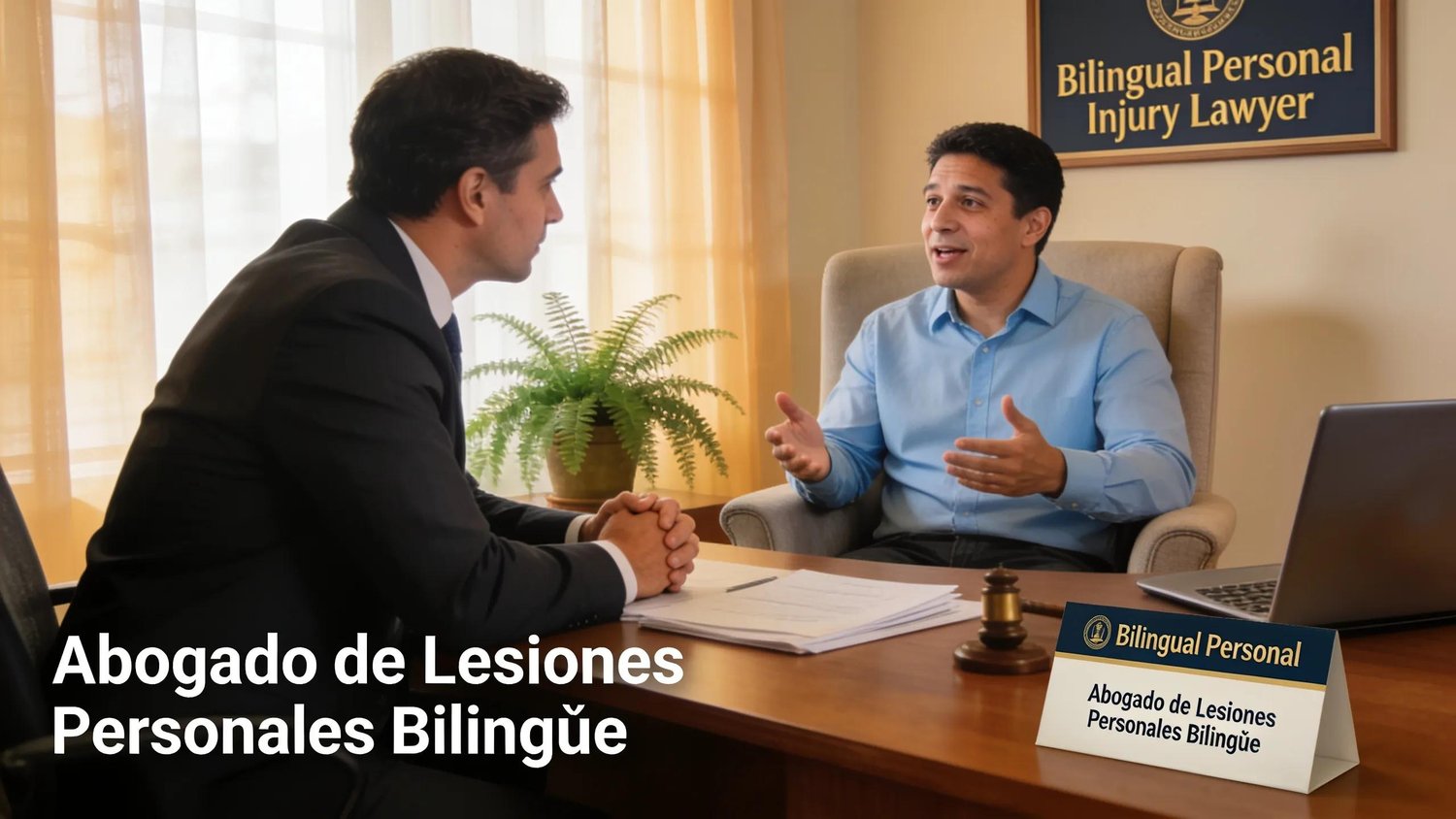
Bilingual personal injury lawyers prevent language barriers from obstructing the pursuit of compensation. They provide effective client communication and culturally informed guidance, which are critical when obtaining factual accounts, documenting injuries, and asserting claims on behalf of clients.

In personal injury matters, the timing and clarity of statements about symptoms, treatment history, and accident mechanics often determine liability assessments and valuation of damages. Bilingual counsel can obtain contemporaneous descriptions that more accurately reflect the claimant’s experience, improving the quality of medical referrals, demand letters, and settlement presentations to insurers.

What Benefits Does Spanish Language Legal Support Provide in Injury Cases?

Spanish language legal support delivers clear client‑attorney communication, enabling accurate descriptions of injuries and circumstances that affect liability and damages. It increases client comfort in disclosing sensitive information and facilitates more effective settlement negotiations, allowing both counsel and client to make informed decisions. For assistance with injury claims, consider the specialized services provided by "personal injury lawyers".

Effective bilingual representation in injury cases also supports thorough medical documentation. Counsel who can explain medical terminology to clients in their native language improve adherence to treatment plans and follow‑up visits—factors insurers scrutinise when evaluating causation and permanency. A well‑documented course of care, communicated and organised by bilingual counsel, strengthens demand packages and trial exhibits alike.

How Can Bilingual Representation Affect Settlement Negotiations?

Bilingual representation influences settlement negotiations by ensuring the client’s account and the extent of harm are communicated without distortion. Effective linguistic and cultural alignment can strengthen the attorney’s position when pressing for fair compensation and helps ensure the client’s interests are accurately represented during discussions.

During negotiations, bilingual counsel may present evidence and explain settlement consequences in culturally appropriate terms that resonate with both the client and opposing adjusters. This clarity reduces the risk of client misunderstanding about release language, future medical needs, or tax consequences. Counsel can also prepare bilingual settlement summaries and release explanations to ensure informed consent before finalising any agreement.

What Factors Should You Consider When Choosing a Bilingual Lawyer in Central Florida?

Selecting an appropriate bilingual lawyer requires evaluating qualifications, experience, and the lawyer’s ability to meet specific case needs. Careful selection is essential to securing competent and effective representation.

When assessing a candidate, consider whether the lawyer regularly practices in the relevant area (criminal defence or personal injury), whether Spanish is used regularly in client interactions, and whether the lawyer has experience interfacing with court interpreters and bilingual staff. A nuanced understanding of how language access operates in local practice often distinguishes effective bilingual counsel from those who merely offer conversational language ability.

Which Credentials Indicate Expertise in Bilingual Criminal and Injury Law?

Relevant credentials include state bar admission, specialised training in criminal or personal injury practice, and demonstrable experience handling comparable cases. A record of favourable case results and reliable client testimonials further indicates proficiency in bilingual representation and legal advocacy.

Other helpful indicators include certifications or continuing legal education in trial practice, negotiation, or language access law. Membership in local bar committees focused on access to justice or immigration issues can signal a lawyer’s continued engagement with the communities they serve. Clients should also ask for references from prior clients who required Spanish‑language services to verify the quality and consistency of communication.

How Does Cultural Competence Impact Client Engagement?

Cultural competence affects client engagement by creating trust and improving communication. Lawyers who appreciate cultural factors can better interpret client concerns, tailor their approach, and encourage full participation in the legal process, all of which enhance case preparation and representation.

Practical examples of cultural competence include offering meeting formats that respect family‑centred decision making, using culturally familiar analogies when explaining legal concepts, and anticipating questions about immigration or employment implications. These practices foster rapport and increase the likelihood that clients will provide complete information necessary for effective advocacy.

How Does the Free Consultation Process Work With Bilingual Legal Services in Orlando?

The free consultation with bilingual legal services provides an initial assessment of a client’s matter and the attorney’s proposed approach. This meeting allows clients to evaluate counsel’s competence and determine whether the attorney’s services meet their needs.

Free consultations serve multiple purposes: fact‑finding, triage of legal issues, and early planning. Bilingual counsel will typically review the chronology of events, identify urgent deadlines, advise on immediate actions (such as preserving evidence or seeking medical treatment), and explain fee structures and client expectations in the client’s preferred language.

What Can You Expect During a Free Bilingual Legal Consultation?

During a free bilingual consultation, the client may present facts in their preferred language while the attorney outlines legal rights, potential claims or defences, and available options. Clients should prepare relevant documents and questions to maximise the consultation’s usefulness.

To make the most of a consultation, clients should bring any police reports, accident reports, medical records, photographs, witness contact information, and correspondence with insurers or prosecutors. Bilingual counsel will use these documents to perform a preliminary assessment, identify evidentiary gaps, and recommend immediate steps—such as seeking additional medical documentation or preserving digital evidence—that can protect the client’s position.

How to Schedule a Consultation With The AM Lawyer, P.A.?

To schedule a consultation with The AM Lawyer, P.A., call (407) 487-2087. Having a concise summary of the legal issue available when calling will assist in arranging an effective initial meeting.

When you call, ask whether the consultation will be conducted entirely in Spanish, whether any interpreter will be present, and if there are particular documents the attorney wishes to review beforehand. Determining these logistics in advance streamlines the session and ensures more substantive use of the appointment time.

What Are the Current Trends and Demand for Bilingual Legal Services in Central Florida?

Demand for bilingual legal services in Central Florida is increasing, driven by demographic changes and a growing recognition of the need for language access within the justice system. Awareness of these trends informs both practitioners and clients regarding service availability.

Law firms and court systems are responding by expanding bilingual staffing, investing in interpreter services, and developing outreach materials in Spanish. For clients, increased availability means a broader choice of counsel with relevant language skills, and for firms it often translates to new service models emphasizing community engagement and multilingual client intake processes.

How Do 2023 DOJ and Florida Bar Statistics Reflect Language Access Needs?

Statistics from the Department of Justice and the Florida Bar for 2023 reflect an increase in non‑English speakers seeking legal assistance. These figures underscore the need for adequate language access to protect procedural fairness and client rights in court settings.

Practitioners should use these trends to advocate for better interpreter quality, more translated materials, and policy changes that reduce procedural barriers. Firms can also respond by tracking their own language service performance and reporting outcomes that demonstrate the value bilingual representation brings to both clients and the justice system.

Why Is Bilingual Legal Representation Increasingly Essential in Multicultural Orlando?

Bilingual representation is essential in multicultural Orlando because a diverse population requires legal services that address linguistic and cultural differences. Attorneys who combine language skills with cultural understanding better serve clients and preserve the integrity of the attorney‑client relationship.

As communities diversify, bilingual lawyers play a role not only in individual case outcomes but in broader access‑to‑justice efforts—reducing court backlogs caused by communication delays, improving public understanding of legal processes, and building trust between justice institutions and historically underserved populations.

How Can Structured Data Enhance Visibility for Bilingual Legal Services Online?

Structured data is an important tool for improving the online discoverability of bilingual legal services. Proper schema markup helps search engines interpret a firm’s services and present relevant information to prospective clients.

Implementing structured data that accurately describes languages spoken, office locations, service areas, and practice types helps potential clients find bilingual attorneys. It also enables rich results—such as service descriptions, contact information, and FAQs—to appear in search listings, which can increase click‑through and direct inquiries from Spanish‑speaking users.

What Schema.org Markup Should Legal Firms Implement?

Legal firms should implement Schema.org types such as LocalBusiness to support accurate local search results and Service markup to describe specific offerings, including bilingual legal services. Appropriate markup assists search engines in categorising and displaying the firm’s services accurately.

Recommended properties include name, address, telephone, openingHours, serviceType, areaServed, and languagesSpoken (where supported). Firms may also include aggregateRating, priceRange, and FAQ entries to improve result presentation. Ensuring markup is consistent with on‑page content and local business directories helps avoid mismatched information that can reduce user trust.

How Do FAQ Structured Data Boost Search Engine Trust and Click-Through?

FAQ structured data allows firms to publish concise answers to common client questions directly in search results, which can increase visibility and user trust. This practice often improves click‑through rates and facilitates initial client contact with bilingual services.

When implementing FAQ markup, keep answers clear, brief, and directly relevant to common concerns—such as interpreter availability, consultation procedures, and fee arrangements—so that search users immediately see whether a firm can meet their language needs before visiting the site or calling.

What Are the Key Indicators of Effective Bilingual Legal Representation in Case Outcomes?

Effective bilingual representation can be assessed through measurable indicators that reflect client experience and legal results. Identifying these indicators assists clients in selecting counsel and helps firms improve service delivery.

Indicators should measure both process and outcome: client comprehension at key case milestones, timeliness of case progression, quality of translated documents, and final legal outcomes. Collecting this data responsibly and using it to refine operations helps firms demonstrate value to prospective clients.

How Do Client Testimonials and Case Results Demonstrate Service Quality?

Client testimonials and documented case results demonstrate a bilingual attorney’s capacity to overcome language and cultural barriers. Positive feedback and verifiable outcomes provide evidence of an attorney’s competence and effectiveness in relevant practice areas.

When reviewing testimonials, look for comments that reference clear communication, cultural sensitivity, and successful navigation of interpreter services. Verified case summaries that explain the problem, the bilingual attorney’s role, and the resolution provide prospective clients with concrete examples of what to expect.

What Metrics Should Law Firms Monitor to Improve Bilingual Service Delivery?

Firms should track metrics such as client satisfaction, case resolution times, and engagement during consultations. Monitoring these measures identifies opportunities for improvement and helps ensure bilingual services meet client needs efficiently.

Other useful metrics include frequency of interpreter requests, percentage of clients served in their preferred language, translation turnaround times for key documents, and post‑engagement follow‑up rates. Collecting client feedback through short bilingual surveys after major milestones enables firms to identify systemic issues and make targeted improvements.

For clients facing serious domestic violence charges, securing representation from attorneys experienced in these matters is critical. Understanding the statutory framework and procedural options in domestic violence law can materially affect case strategy and potential outcomes.

Engaging with a firm such as The AM Lawyer P.A. provides access to comprehensive legal services across multiple practice areas, leveraging their experience to address the client’s specific legal needs.