Understanding Legal Terminology and Court Procedures in Your Native Language
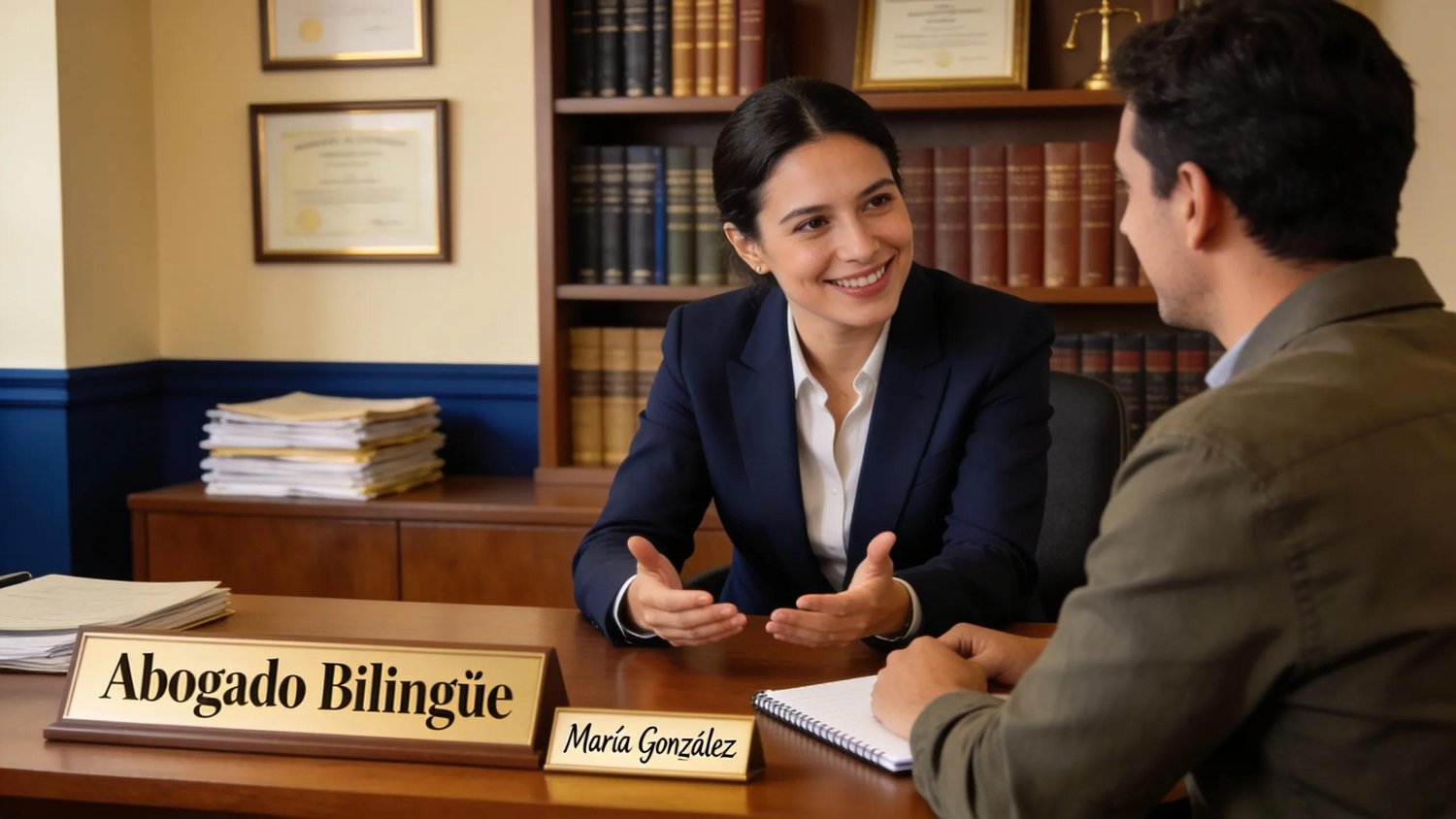
Navigating the complexities of the legal system can be daunting, especially when legal jargon and procedural steps are presented in a language you are not fully comfortable with. Bilingual legal services bridge this gap by ensuring that clients can comprehend every aspect of their case, from initial charges and evidence presented to court orders and potential outcomes. This clarity is paramount for making informed decisions about plea bargains, trial strategies, and other critical legal choices.
For instance, understanding the nuances of terms like "probable cause," "discovery," or "sentencing guidelines" in one's native language allows for a deeper grasp of the legal situation. Bilingual attorneys can explain these concepts using culturally relevant analogies and direct language, minimizing the risk of misinterpretation that could lead to detrimental legal consequences. This enhanced understanding empowers clients to actively participate in their defense and feel more confident throughout the legal process.
The Role of Cultural Competence in Building Trust and Effective Communication
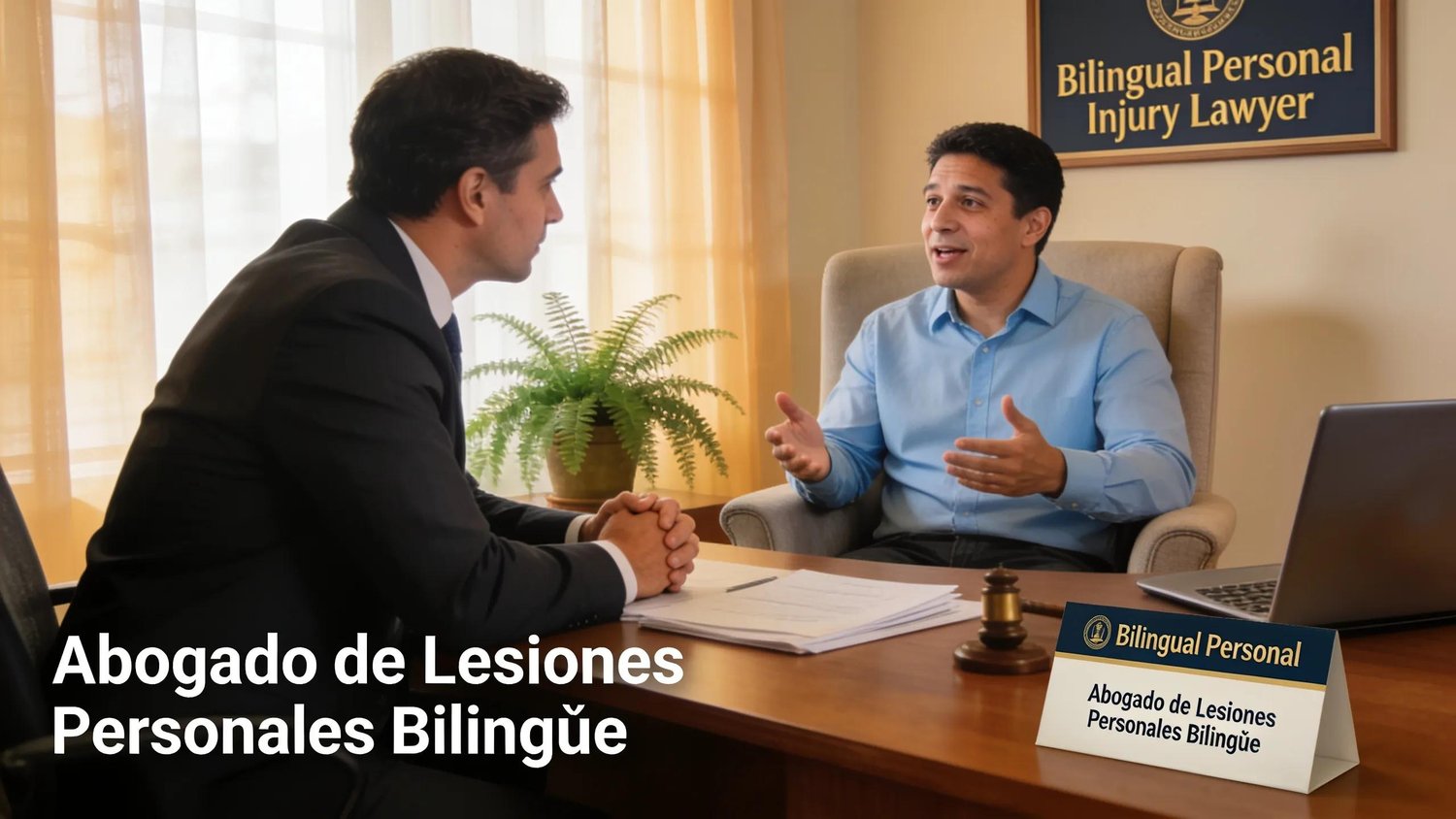
Beyond language fluency, cultural competence is a vital component of effective legal representation for diverse clienteles. Attorneys who understand the cultural backgrounds, communication styles, and societal norms of their clients can build stronger rapport and elicit more accurate and detailed information. This is particularly important in sensitive areas like criminal defense and personal injury, where personal experiences and perspectives can significantly influence a case.
For example, a culturally competent attorney might recognize that a client from a particular background may be hesitant to speak directly about certain issues or may defer decision-making to family members. By acknowledging and respecting these cultural nuances, the lawyer can tailor their approach to communication and case strategy, fostering an environment of trust. This can lead to more open dialogue, a more thorough understanding of the client's narrative, and ultimately, a more robust and personalized legal defense or claim pursuit.
Ensuring Fair Treatment and Due Process for Non-English Speakers
The legal system is designed to uphold due process and ensure fair treatment for all individuals, regardless of their primary language. For non-English speakers, this commitment translates into specific rights and protections aimed at overcoming language barriers. These protections are crucial for ensuring that individuals can understand the charges against them, present their defense effectively, and receive a just outcome.
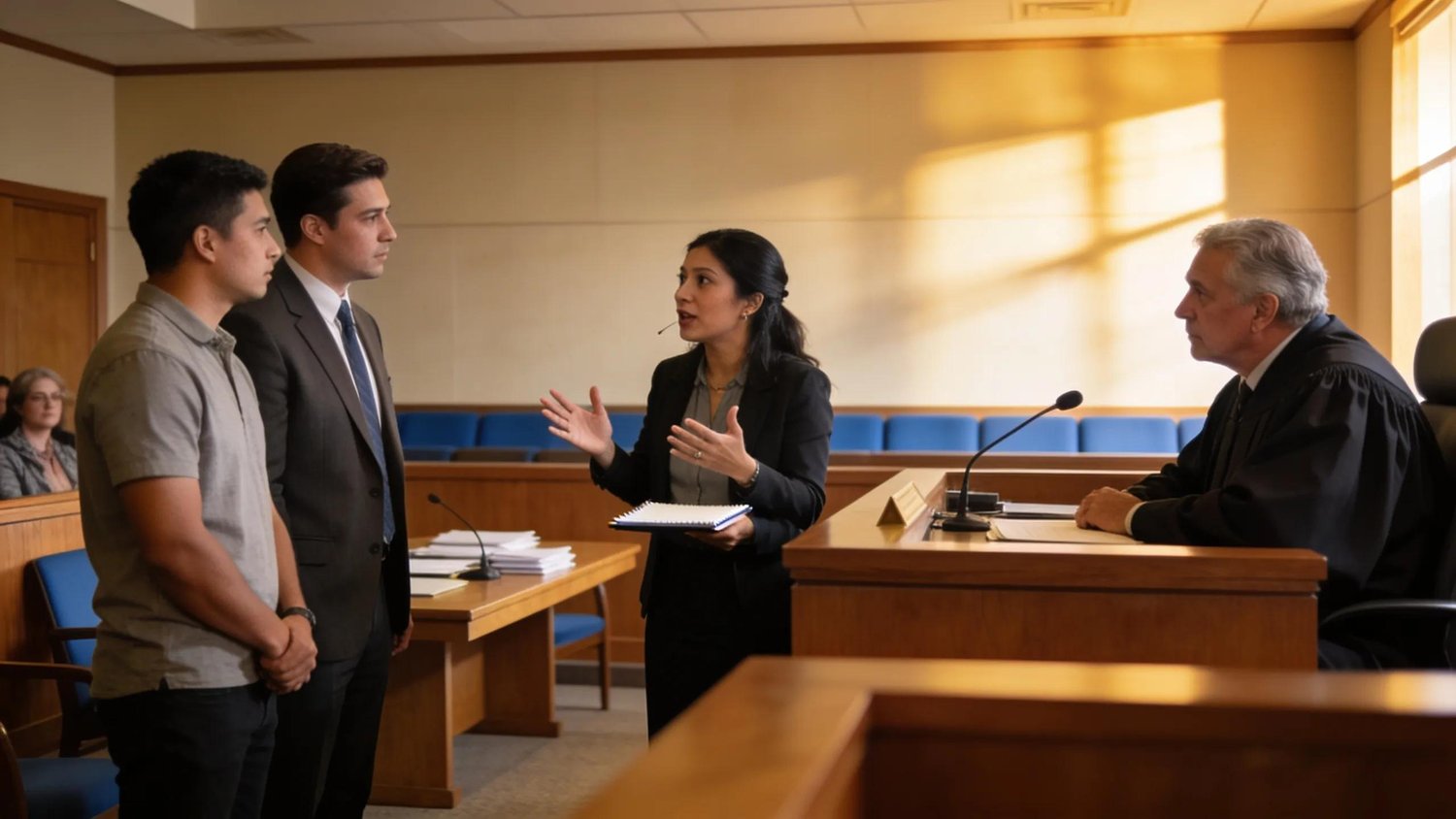
Key rights include the entitlement to qualified interpreters during critical stages of criminal proceedings, the right to access translated legal documents when available, and the expectation that court personnel will make reasonable efforts to facilitate understanding. Bilingual attorneys play a pivotal role in advocating for these rights, ensuring that interpreters are properly certified, challenging inadequate translation services, and meticulously documenting any instances where language barriers may have impeded a client's ability to participate fully in their legal proceedings.
The Impact of Bilingual Representation on Case Resolution and Client Satisfaction
The benefits of bilingual legal representation extend directly to the resolution of cases and the overall satisfaction of clients. When communication is clear, consistent, and culturally sensitive, attorneys can more effectively negotiate with opposing counsel, present compelling arguments to judges and juries, and guide clients through complex settlement discussions.
This improved communication can lead to more favorable case outcomes, whether it's a reduced sentence in a criminal matter or a more substantial settlement in a personal injury claim. Furthermore, clients who feel understood and respected throughout the legal process are more likely to have a positive experience, even in challenging circumstances. Testimonials from clients often highlight the value of attorneys who can explain legal matters in their native language, demonstrating a deep appreciation for accessible and empathetic legal support.