
home  › No Contact Order & Injunctions

No Contact Order & Injunction in Florida

How to navigate no contact order & injunctions in Florida

When it comes to no contact order vs injunction in florida, A no-contact order arises in a criminal case, ordered by a judge as a condition of release or sentencing. A domestic violence injunction, filed under Florida Statutes Chapter 741, is a separate civil petition. Senate Bill 342 clarified that no-contact orders take effect immediately and cover all communication forms. The AM Lawyer, P.A. defends clients facing either across Central Florida courts.
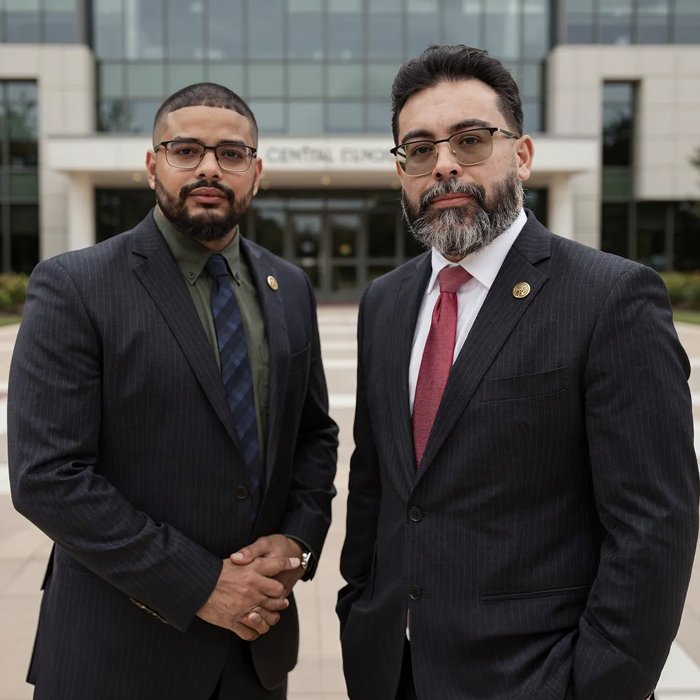
Falsely accused individuals must come forward and present their cases and their situation to protect

Key Takeaways

  • Florida Senate Bill 342 clarified no contact order definitions and prohibited communication types.

  • No contact orders protect domestic violence victims by preventing abuser intimidation and harassment.

  • Florida courts issue injunctions for protection as formal legal remedies in family court.

  • The AM Lawyer, P.A. in Orlando provides legal guidance on both protective orders.

No Contact Order vs Injunction: What Is the Difference?

Confusion between these two protective measures trips up many Florida residents facing a domestic violence allegation. Legal terminology gets blurred in casual conversation. That mix-up carries real consequences for anyone trying to comply with a court's instructions. Understanding no contact order vs injunction in Florida distinctions matters before a single hearing date arrives.

Floridians routinely use "no contact order," "restraining order," and "injunction" as if they mean the same thing. Under Florida law, though, these terms describe separate legal instruments with different origins, different courts, and different consequences for violations. Recognizing that difference protects a person's rights from the moment charges or a petition surface.

Is a No Contact Order the Same as an Injunction?

No. A no contact order is issued within a criminal case, typically as a bond condition after an arrest. An injunction, by contrast, follows a distinct legal track and is not classified as a criminal court order at all.

Which Court Handles Each Order?

The injunction process runs through civil court, separate from any criminal proceeding a defendant might also be facing. A no contact order, meanwhile, stays tied to the criminal docket and the underlying arrest.

Feature

No Contact Order

Injunction

Case type

Criminal

Civil

Trigger

Arrest, bond condition

Petition filed by alleged victim

Court track

Criminal proceeding

Separate civil process

Because Florida injunction rules operate independently from criminal statutes, a person can face both an injunction petition and a no contact order simultaneously, each requiring its own defense strategy. A domestic violence injunction lawyer in Orlando evaluates both fronts and builds a coordinated response. One proceeding doesn't blindside the other.

What Is a Criminal No Contact Order in Florida?

A criminal court in Florida issues a no contact order after an arrest for offenses such as domestic violence. Understanding no contact order vs injunction in Florida distinctions matters immediately. Confusion between the two often leads to accidental violations and new criminal charges.

Judges typically impose a no contact order as a condition of pretrial release or bond. The order bars the defendant from contacting the alleged victim in any manner, whether by phone, text, social media, or through a third party, unless the court later modifies it. That restriction remains in force from the moment it's issued, regardless of whether the alleged victim wants to reconcile or drop the matter. Clients across Central Florida frequently misunderstand this point and assume the alleged victim can simply invite contact back. Only a judge holds that authority.

No contact orders exist exclusively within the criminal justice system. This distinguishes them from civil injunctions for protection, which follow separate Florida injunction rules and a different court process entirely.

Who Issues a No Contact Order in Florida?

A criminal court judge issues the order, typically at first appearance or during arraignment following an arrest. It attaches directly to the pending criminal case rather than a separate civil petition.

Does a No Contact Order Apply Automatically?

Yes. Once a judge signs the order as part of bond or pretrial release conditions, it takes effect immediately without further filing.

Facing this kind of order raises real stakes: an accidental text or missed detail can trigger fresh charges. A domestic violence injunction lawyer Orlando clients trust reviews order terms, explains obligations clearly, and pursues modification when circumstances change. The AM Lawyer, P.A. serves individuals throughout Central Florida navigating these orders and the criminal cases behind them.

What Are Florida's Injunction Rules for Domestic Violence?

Florida law grants every resident the right to file a petition asking a court to issue an injunction for protection against violence. This civil remedy exists separately from criminal proceedings, though the two often intersect in domestic violence cases across Central Florida. Petitioners seek safety through the court system; respondents face immediate restrictions once a judge signs the order. Understanding florida injunction rules matters for anyone named in a petition, since the consequences reach housing, custody, and firearm rights.

No contact orders vs injunction in Florida distinctions confuse many respondents, but both mechanisms share a core purpose. Each tool exists to protect domestic violence victims and stop an abuser from intimidating that victim. A no contact order typically arises from a criminal arrest, while an injunction stems from a civil petition. Despite different origins, courts treat violations of either with equal seriousness.

Recent clarifications strengthened these protections statewide. Updated statutory language now covers all forms of communication, including calls, texts, messages sent through third parties, and social media contact. Critically, these no contact orders take legal effect immediately once a judge issues the order, not after formal service or a waiting period. Respondents cannot assume a grace period exists before restrictions apply.

Where Does Injunction Guidance in Florida Come From?

Official injunction guidance flows from the Supreme Court's Office of Court Improvement. Local judicial circuits, including Florida's 9th Judicial Circuit, adopt and adapt this guidance for regional court procedures. That layered structure means rules can carry local nuance even within statewide standards.

For respondents navigating a petition or facing violating no contact order Florida allegations, early legal guidance changes outcomes. The AM Lawyer, P.A. serves clients throughout Central Florida seeking a domestic violence injunction lawyer Orlando residents trust. Provides case-specific direction on how to elevator no contact order Florida courts have imposed.

Who Can Petition for an Injunction in Florida?

Any Florida resident who fears violence holds the legal right to petition a circuit court for an injunction of protection. This right exists independent of whether an arrest has occurred, which places florida injunction rules in a different category than criminal proceedings tied to an arrest. Petitioners do not need a police report to start the process. They need only a documented fear of physical violence or a history of it.

Understanding no contact order vs injunction in florida distinctions matters here. An injunction operates as a civil court order directed at a specific named individual who has committed violence or created fear of violence. A no-contact order, by contrast, arises from a criminal case and attaches as a bond condition. Both restrict contact, but they originate from different courts and different legal triggers.

Who Qualifies to File a Petition?

Spouses, former spouses, family members, and individuals who share a child qualify to file. Dating partners and household members also meet the threshold under Florida law. Filing does not require an attorney, though the stakes of a granted or denied injunction make legal guidance valuable.

What Should Someone Do After Being Named in a Petition?

Respondents named in a petition face immediate restrictions once a judge signs the order. Ignoring a hearing date or misunderstanding the terms risks a default judgment against the respondent.

The AM Lawyer, P.A. represents both petitioners and respondents throughout the 9th Judicial Circuit. Led by former prosecutor Pedro A. Matos and trial attorney Gilbert R. Arroyo, the bilingual team protects constitutional rights at every stage of an injunction case. Anyone searching for a domestic violence injunction lawyer orlando residents trust can reach the firm 24/7 for a confidential case evaluation before a hearing date arrives.

What Happens if You Violate a No Contact Order?

Violating a no contact order in Florida carries immediate legal consequences, including new criminal charges separate from the underlying case. Florida courts treat these orders as binding the moment a judge signs them, so a defendant who reaches out to an alleged victim—by phone, text, email, or through a third party—risks arrest even if no physical contact occurs. Confusion between no contact order vs injunction in Florida distinctions often leads to accidental violations, since each restriction carries different terms and different courts of origin.

Prohibited communication under a Florida no contact order typically includes:

  • Direct phone calls or voicemails to the alleged victim

  • Text messages, emails, or social media messages

  • Contact through a friend, family member, or third-party intermediary

  • Appearing at the alleged victim's home, workplace, or school

Because the order takes effect immediately upon issuance, defendants sometimes violate its terms before fully understanding the scope of what is restricted. This is one reason familiarity with Florida injunction rules and criminal court procedures matters from the very first hearing.

Can a No Contact Order Be Violated Accidentally?

Yes—indirect or unintentional contact still counts as a violation under Florida law. A defendant who asks a mutual friend to relay a message. Who responds to a text initiated by the protected party, has still broken the order's terms. Courts rarely accept "the other person reached out first" as a defense.

What Should Someone Do After a Possible Violation?

Anyone concerned about violating a no contact order in Florida. Seeking guidance on how to elevator a no contact order in Florida, should seek legal counsel before taking further action. A domestic violence injunction lawyer in Orlando at The AM Lawyer, P.A. reviews the order's exact terms, evaluates the circumstances, and advises on next steps to protect the client's rights and freedom throughout Central Florida's court system.

How Can You Elevator a No Contact Order?

Florida courts elevator a no contact order only through a formal motion, hearing, and judicial ruling. Never through a private understanding between the accused and the alleged victim. Confusion often arises between a no contact order vs injunction in Florida. Each follows separate statutes and procedures despite sounding similar. A no contact order stays in force as a condition of pretrial release until a judge formally modifies it, meaning the restriction does not expire on its own or fade with time.

Because these orders take effect the moment a judge signs the ruling, delay works against the accused. Central Florida's Florida injunction rules and related no contact statutes apply immediately, so pursuing modification promptly matters. Waiting weeks to act often means missing opportunities to present favorable evidence before a case progresses further.

The AM Lawyer, P.A. builds requests to elevator or modify these orders around a detailed review of arrest reports, victim statements, and case circumstances. This evidence-driven approach shapes the motion filed with the court and strengthens the argument for modification. Steps typically involved include:

  • Filing a written motion requesting modification or dissolution

  • Presenting supporting evidence and case history to the judge

  • Attending a scheduled hearing where both sides may be heard

  • Awaiting the court's written ruling before any contact resumes

What Happens If You Violate a No Contact Order Before It's Lifted?

Violating a no contact order in Florida carries separate criminal exposure, even if the underlying case eventually resolves favorably. A violation charge can result in new arrest, additional bond conditions, and complications for the original case. Contact of any kind before a judge's modification remains prohibited, regardless of the alleged victim's wishes.

Anyone asking a domestic violence injunction lawyer in Orlando how to proceed benefits from early intervention. With thousands of cases handled throughout Central Florida, The AM Lawyer, P.A. offers free consultations to evaluate whether grounds exist to elevator a no contact order and to outline realistic next steps.

Why Choose The AM Lawyer, P.A. for Your Case?

Central Florida residents facing domestic violence allegations need attorneys who understand florida injunction rules. The criminal statutes that intersect with them. The AM Lawyer, P.A. combines courtroom experience with a bilingual defense team led by former prosecutor Pedro A. Matos and trial attorney Gilbert R. Arroyo. Their combined background protects constitutional rights throughout the 9th Judicial Circuit, from Orange County to surrounding jurisdictions. That prosecutorial insight matters when a case hinges on the difference between no contact order vs injunction in florida proceedings. Each carries distinct legal consequences.

Urgent matters rarely wait for business hours. The firm remains available around the clock for immediate, confidential case evaluations when an injunction hearing or arrest occurs without warning. Anyone accused of violating no contact order florida law faces potential new criminal charges on top of an existing case, making rapid legal intervention essential rather than optional.

What makes this firm different from other Central Florida defense attorneys?

Thousands of cases handled across the state give the firm practical familiarity with local judges, prosecutors, and courtroom procedures. This experience supports early pre-charge intervention and thorough evidence review, both critical when building a defense strategy in Florida's 9th Judicial Circuit.

Can this firm help elevator or modify a protective order?

Attorneys who understand how to elevator no contact order florida courts require can petition for modification when circumstances change. Based in Orlando, FL, the firm serves clients throughout Central Florida seeking relief from restrictive orders.

Clients searching for a trusted domestic violence injunction lawyer orlando residents recommend benefit from:

  • Free initial consultations before committing to representation

  • Bilingual service in English and Spanish

  • Trial-tested strategy backed by former prosecution experience

  • Responsive, 24/7 communication during active cases

How Do You Start a Free Consultation Today?

A phone call begins the process. The AM Lawyer, P.A. offers a free consultation to any Florida resident facing a no-contact order or an injunction petition, drawing on a case history that spans thousands of matters throughout the state. Delaying that call carries real risk: injunction hearings move fast, and missing a filing deadline can leave a respondent without an adequate defense before a judge ever hears their side.

What happens during the free consultation?

An attorney reviews the specifics of the case, including whether the matter involves a criminal court order or a civil injunction petition. This distinction matters because no contact order vs injunction in Florida cases follow different procedural tracks under Florida injunction rules. Confusing the two can lead to costly missteps.

Is help available for Spanish-speaking clients?

Yes. The firm provides bilingual service in English and Spanish. Language barriers never stand between a client and clear legal guidance. This accessibility matters most when someone accused faces serious allegations and needs to understand the charges without confusion or delay.

Clients across Central Florida can expect responsiveness at any hour. The firm remains available 24/7 for confidential case evaluations, a critical resource for anyone arrested overnight or served with papers unexpectedly. A domestic violence injunction lawyer in Orlando from this practice can also advise on related concerns, such as:

  • Rights and obligations after being served with a petition

  • Consequences tied to violating a no contact order in Florida

  • Legal strategies for how to elevator a no contact order in Florida

Based in Orlando, FL, The AM Lawyer, P.A. stands ready to serve clients throughout Florida who need immediate, informed representation.

FAQ

Is a no contact order the same as an injunction in Florida?

No. A no contact order arises within a criminal case as a bond condition after arrest. An injunction is a separate civil petition filed under Florida Statutes Chapter 741, following its own legal track.

Which court handles a no contact order versus an injunction?

A no contact order stays tied to the criminal docket and underlying arrest. An injunction runs through civil court as a distinct process separate from any criminal proceeding.

Can someone face both a no contact order and an injunction at the same time?

Yes. Because Florida injunction rules operate independently from criminal statutes, a person can face both simultaneously, each requiring its own defense strategy from a domestic violence injunction lawyer.

Conclusion

In closing, understanding the distinction between no contact orders and injunctions proves essential for anyone navigating Florida's legal system. While both restrict communication and contact, their origins, procedures, and enforcement mechanisms differ significantly. The choice between them—or the imposition of one upon you—carries serious consequences for your rights and freedom. Consulting with experienced criminal defense counsel ensures you understand your obligations, protect your interests, and respond appropriately to these court-ordered restrictions.